
How to Choose the Best Bitcoin Casinos in Canada: A Complete Guide for 2026
How to Choose the Best Bitcoin Casinos in Canada: A Complete Guide for 2026

I've been watching the Canadian online gambling scene evolve for years, and 2026 has brought some exciting developments in the cryptocurrency casino space. As someone who's navigated both traditional and crypto gambling platforms, I can tell you that choosing the right Bitcoin casino requires understanding what sets these platforms apart and knowing exactly what to look for. This guide will walk you through everything you need to make an informed decision as a Canadian player.
What Makes Bitcoin Casinos Different from Traditional Online Casinos?
The fundamental difference between Bitcoin casinos and traditional online gambling sites comes down to how transactions are processed and verified. When I deposit funds at a conventional online casino, I'm typically waiting 24-48 hours for bank transfers or dealing with credit card restrictions. With Bitcoin casinos, I've seen deposits confirmed in as little as 10-30 minutes, and withdrawals that would normally take days can be completed in hours.
Blockchain technology is the backbone of this difference. Every transaction is recorded on a public ledger that's immutable and transparent. This means I can verify my deposits and withdrawals independently, without relying solely on the casino's word. The anonymity factor is another major distinction—while traditional casinos require extensive personal information and documentation, many Bitcoin casinos allow me to play with minimal identification, using only an email address and crypto wallet.
The payment process itself is revolutionarily simple. Instead of entering card details or banking information, I simply send Bitcoin from my wallet to the casino's unique address. No intermediaries, no banks blocking gambling transactions, and significantly lower fees. This peer-to-peer nature eliminates many of the friction points I've experienced with conventional payment methods.
The Legal Landscape of Bitcoin Casinos in Canada (2026)
Understanding the legal framework surrounding Bitcoin casinos in Canada can be confusing, but it's essential knowledge for any player. In 2026, Canada operates under a system where the Criminal Code provides federal guidelines, but provinces maintain individual authority over gambling regulation. This creates what I call a 'regulatory patchwork' across the country.
The reality is that most Bitcoin casinos serving Canadian players operate offshore, licensed by jurisdictions like Curaçao, Malta, or Gibraltar. These aren't technically licensed in Canada, but they're not explicitly illegal for Canadians to use either. The federal government prohibits operating an unlicensed casino within Canada, but there's no law preventing Canadian residents from playing at international sites—crypto or otherwise.

Ontario's Alcohol and Gaming Commission (AGCO) has taken the most progressive stance, creating a regulated market in 2022 that continued evolving through 2026. Licensed operators in Ontario can accept cryptocurrency as a payment method, though they must comply with strict anti-money laundering protocols and verify player identities. This means fully anonymous play isn't available through AGCO-licensed platforms, but the regulatory oversight provides additional player protection.
Provincial Regulations You Need to Know
Each province approaches cryptocurrency gambling slightly differently. In Ontario, I can play at provincially licensed sites that accept Bitcoin alongside traditional payment methods. These platforms offer the security of regulation but sacrifice some of the anonymity that drew many players to crypto casinos initially.
British Columbia has allowed its lottery corporation to accept cryptocurrency through partnerships with payment processors, creating a hybrid model. Quebec, Alberta, and other provinces haven't established specific cryptocurrency frameworks, which means players in these regions typically use offshore Bitcoin casinos without provincial oversight. Saskatchewan and Manitoba have maintained more conservative approaches, though residents can still access international platforms without legal consequences.
The key takeaway I've learned is that while the legal landscape remains grey in most provinces, enforcement focuses on operators rather than players. I haven't seen cases of Canadian residents being prosecuted for playing at offshore Bitcoin casinos, but I always recommend understanding your province's specific stance and playing responsibly within your comfort level regarding regulatory oversight.
Key Features to Look for When Choosing a Bitcoin Casino
After years of experience with various platforms, I've developed a checklist of non-negotiable features when evaluating Bitcoin casinos. First and foremost is licensing and reputation. Even though many crypto casinos operate offshore, reputable ones hold licenses from recognized authorities like the Malta Gaming Authority, UK Gambling Commission, or Curaçao eGaming. I always verify licenses directly through the regulator's website rather than trusting badges on the casino site alone.
Game selection matters tremendously. The best bitcoin casinos offer extensive libraries with slots from top providers like Pragmatic Play, Evolution Gaming live dealer games, and table games with various betting limits. I look for platforms offering at least 1,000 games with regular additions of new titles. The variety ensures I won't get bored and can find games that match my playing style and budget.
Security measures are absolutely critical when dealing with cryptocurrency. I insist on platforms using SSL encryption (look for the padlock in your browser), two-factor authentication for account access, and cold wallet storage for the majority of player funds. The casino should clearly explain their security protocols—if this information isn't readily available, I consider it a red flag.
Withdrawal limits and processing times have caught me off guard before, so I now check these carefully during selection. Some Bitcoin casinos impose daily or weekly withdrawal caps that might frustrate high-stakes players. I prefer platforms with reasonable limits (at least 1-2 BTC weekly) and processing times under 24 hours for withdrawals. The fastest I've experienced was under two hours from request to funds in my wallet.
Customer support quality can make or break your experience, especially when dealing with cryptocurrency transactions that feel unfamiliar. I test support before depositing by asking specific questions about Bitcoin deposits, withdrawal procedures, and bonus terms. Quality casinos offer 24/7 live chat with knowledgeable representatives who understand both gambling and cryptocurrency concepts. Email support should respond within a few hours, not days.
Security and Provably Fair Gaming
One of the most compelling advantages I've found with Bitcoin casinos is provably fair gaming—a concept that simply doesn't exist at traditional online casinos. This technology uses cryptographic algorithms to ensure neither the player nor the casino can manipulate game outcomes. Before each bet, the casino generates a server seed, and I provide a client seed. These combine with a nonce (number used once) to determine the outcome.
I can verify fairness by checking the SHA-256 hash of the server seed before playing, then after the round completes, the casino reveals the actual server seed. I can then use verification tools to confirm the hash matches and the outcome was predetermined before my bet. This mathematical verification gives me confidence that's impossible to achieve with traditional online casino games where I simply trust the platform's random number generator has been audited.
Many Bitcoin casinos provide built-in verification tools right in the game interface. I make it a habit to spot-check game outcomes, especially during longer sessions. While I don't verify every single bet, knowing I have the ability to do so and occasionally exercising that right keeps me confident in the platform's integrity.
Understanding Bitcoin Casino Bonuses and Promotions
Bitcoin casino bonuses operate similarly to traditional online casino promotions but often come with more generous terms. I've seen welcome packages offering 100-200% deposit matches up to 1-5 BTC, which represents substantial value compared to fiat currency casinos. The key is understanding that bigger isn't always better—wagering requirements matter more than headline numbers.
A typical Bitcoin casino welcome bonus might offer 150% up to 2 BTC with 35x wagering requirements. This means if I deposit 1 BTC and receive a 1.5 BTC bonus, I need to wager 87.5 BTC (35 times the bonus amount) before withdrawing any winnings. I always calculate whether this is realistic based on my playing style and bankroll. Lower wagering requirements (25-30x) are preferable even if the bonus percentage is slightly smaller.
Free spins promotions are common with cryptocurrency casinos, usually attached to popular slots. I pay attention to the value per spin (typically $0.10-$0.50), maximum win caps, and whether the spins are wager-free or come with their own rollover requirements. Reload bonuses for subsequent deposits can provide ongoing value—I've found weekly reload offers of 50-75% particularly worthwhile for regular play.
Cryptocurrency bonuses differ from fiat promotions in one crucial way: volatility. If I claim a bonus when Bitcoin is worth $65,000 CAD but it drops to $55,000 during my wagering period, my bonus value has effectively decreased. Conversely, if Bitcoin rises, my bonus becomes more valuable. I factor this volatility into my decision-making, sometimes opting to play without bonuses during uncertain market conditions to maintain withdrawal flexibility.
How to Get Started: Setting Up and Making Your First Deposit
Getting started with Bitcoin casino gambling requires a few preliminary steps that might seem daunting initially, but I promise they become second nature quickly. First, you need a cryptocurrency wallet—think of it as your digital bank account for Bitcoin. I recommend starting with a user-friendly option like Exodus, Trust Wallet, or Electrum for desktop use. Mobile players might prefer Blockchain.com or Coinbase Wallet for convenience.
Setting up a wallet takes about 10 minutes. The critical step is securely storing your recovery phrase—a series of 12-24 words that functions as a master key to your funds. I write this on paper and store it in a safe place, never digitally or in cloud storage where it could be hacked. Losing this phrase means permanently losing access to your Bitcoin, so treating it with appropriate seriousness is essential.
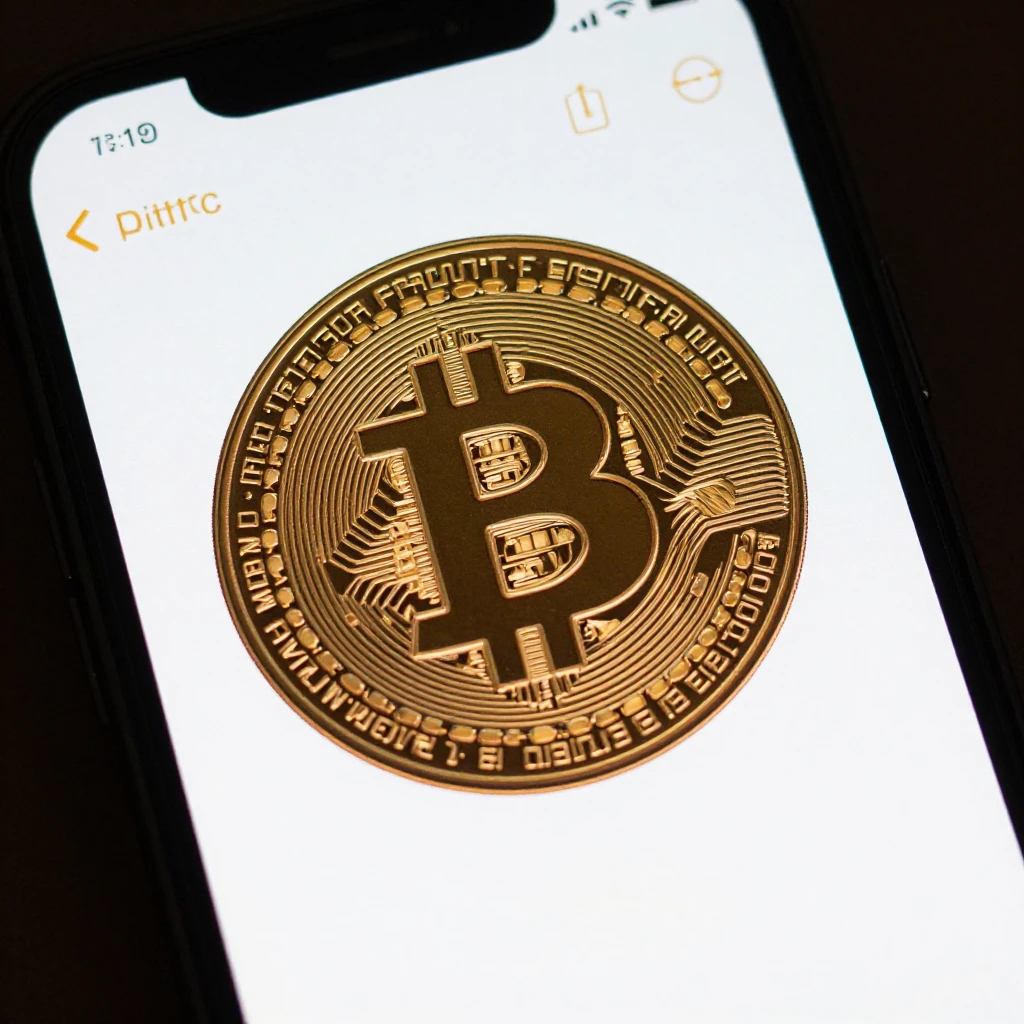
Purchasing Bitcoin in Canada is straightforward in 2026. I use exchanges like Coinbase, Kraken, or Canadian-specific platforms like NDAX and Bitbuy. The process involves creating an account, verifying your identity (required by Canadian regulations), linking a payment method, and placing a buy order. Interac e-Transfer is my preferred method as it processes quickly with reasonable fees. Expect to pay 0.5-2% in fees depending on your chosen exchange and payment method.
Once I have Bitcoin in my wallet, registering at a Bitcoin casino is simple. Most platforms require only an email address and password, though some request additional information for compliance. After registration, I navigate to the deposit section, select Bitcoin, and the casino provides a unique wallet address (a long string of letters and numbers) and often a QR code.
Making the deposit involves opening my wallet, selecting 'send,' and either scanning the QR code or pasting the casino's wallet address. I always double-check the address—cryptocurrency transactions are irreversible, and sending to the wrong address means losing your funds permanently. After entering the amount and confirming the transaction, I typically see my deposit credited within 10-30 minutes, depending on network congestion and the casino's confirmation requirements.
Security best practices I always follow: enable two-factor authentication on both my wallet and casino account, never share my private keys or recovery phrase, use strong unique passwords, and keep my wallet software updated. For larger amounts, I transfer most funds to a hardware wallet like Ledger or Trezor, keeping only what I plan to play with in my hot wallet.
Common Mistakes Canadian Players Should Avoid
I've made enough mistakes in my Bitcoin casino journey to save you from repeating them. The most significant error I see players make is choosing platforms based solely on bonus size without researching licensing, reputation, or user reviews. I've watched friends lose funds to unlicensed casinos that looked legitimate but disappeared when withdrawal time came. Always verify licensing and check forums like Reddit or AskGamblers for player experiences before depositing.
Ignoring withdrawal limits has burned me before. I once hit a significant win at a casino with a 0.5 BTC weekly withdrawal limit, meaning I needed to wait over a month to receive my full winnings. This ties up funds and creates unnecessary anxiety. I now check withdrawal policies before playing, ensuring limits align with my typical betting stakes and potential wins.
Tax implications are something many Canadian players overlook. The Canada Revenue Agency treats Bitcoin as a commodity, not currency, which means cryptocurrency gains are subject to capital gains tax. If I purchase Bitcoin at $50,000 and use it at a casino when it's worth $60,000, I technically have a $10,000 capital gain to report. Additionally, gambling winnings themselves may be taxable if I'm considered a professional gambler rather than recreational player. I keep records of my transactions and consult with an accountant familiar with cryptocurrency to ensure compliance.
Poor wallet security is another costly mistake. I've heard horror stories of players losing funds to phishing attacks, malware, or simply forgetting passwords without proper backup. Using reputable wallets, enabling all security features, maintaining offline backups of recovery phrases, and never accessing wallets on public Wi-Fi are habits that protect your funds.
Chasing losses is particularly dangerous with cryptocurrency due to the ease and speed of transactions. I can deposit again within minutes, which removes the natural cooling-off period that bank transfer delays provide. Setting strict daily or weekly limits and sticking to them regardless of outcomes is essential. I use casino deposit limits features where available and maintain a separate wallet for gambling with only funds I'm prepared to lose.
Finally, not reading bonus terms and conditions thoroughly has led to frustration when I discovered game restrictions, maximum bet limits during wagering, or excluded payment methods only after claiming a promotion. I now spend five minutes reviewing the full terms before accepting any bonus, paying special attention to wagering requirements, game contributions, and maximum cashout limits.
The Future of Bitcoin Gambling in Canada
Looking ahead from our vantage point in 2026, I'm optimistic about the continued evolution of Bitcoin gambling in Canada. We're seeing growing regulatory clarity as provinces recognize cryptocurrency isn't disappearing and begin developing frameworks to integrate it safely. Ontario's success with regulated crypto-accepting casinos is creating a template other provinces are examining closely. I expect British Columbia and Quebec to introduce clearer guidelines by 2027-2028.
The cryptocurrency landscape itself is diversifying beyond Bitcoin. I'm increasingly seeing Canadian-friendly casinos accepting Ethereum, Litecoin, Bitcoin Cash, and even stablecoins like USDT and USDC. Stablecoins are particularly interesting for gambling as they eliminate volatility concerns—my balance doesn't fluctuate with cryptocurrency market conditions. I predict stablecoins will become the preferred option for many players who want crypto benefits without price risk.
Blockchain gaming integration represents an exciting frontier. Some platforms are experimenting with NFT-based loyalty programs where rewards are tradeable assets, or games where in-game items have real cryptocurrency value. While still emerging, this technology could revolutionize how we think about online gambling rewards and player ownership. I'm watching developments like decentralized casinos built on smart contracts, though these remain experimental in 2026.
Layer-2 scaling solutions like the Lightning Network are making Bitcoin transactions nearly instantaneous with negligible fees. I've tested Lightning-enabled casinos where deposits confirm in seconds rather than minutes, creating an experience that rivals traditional payment methods for speed while maintaining cryptocurrency's benefits. As this technology matures, I expect it to become standard across Bitcoin casinos.
My final recommendations for Canadian players entering the Bitcoin casino space are straightforward: start small while learning the technology, prioritize security and licensed platforms over bonus size, understand the legal landscape in your province, and maintain realistic expectations about both gambling outcomes and cryptocurrency volatility. The combination of Bitcoin and online gambling offers unique advantages in privacy, speed, and control, but these benefits come with responsibilities around security and responsible gaming. Approach this exciting intersection of technology and entertainment with education and caution, and you'll find it can enhance your online gambling experience significantly.